

- Set a realistic budget and include a contingency fund for unexpected expenses.
- Prioritize high-impact areas like kitchens, bathrooms, and living spaces to maximize value.
- Combine DIY projects with professional help to save on labor costs without compromising quality.
- Research and choose cost-effective, durable materials to stay within budget.
- Plan and schedule renovations strategically to avoid delays and extra costs.
- Incorporate energy-efficient upgrades to reduce long-term utility bills.
- Avoid common mistakes by thorough planning, obtaining permits, and making informed design choices.
Renovating a home can be an exciting journey, but it can also be overwhelming—especially when budgets are tight. Many homeowners dream of a refreshed, stylish living space but fear the costs involved in renovations. The good news is that you don’t have to spend a fortune to achieve a home makeover. With proper planning, research, and smart strategies, you can transform your home while keeping your finances intact.
This guide will walk you through everything you need to know about planning a home renovation on a budget, from setting priorities to selecting materials and managing contractors.
Why Planning is Crucial for Budget-Friendly Renovations
Planning is the foundation of a successful home renovation. Without a detailed plan, costs can spiral out of control, and the project may take longer than expected. Effective planning involves identifying your goals, setting a realistic budget, and prioritizing what matters most. A clear plan ensures that every dollar spent contributes to the overall vision of your home and avoids unnecessary expenses.
Good planning also helps you anticipate potential problems, such as structural issues, outdated wiring, or plumbing complications. By addressing these early, you can prevent costly surprises. Additionally, planning gives you the confidence to make informed decisions about materials, contractors, and design choices, keeping the renovation process smooth and stress-free. For example, simple upgrades like repainting your home’s exterior can dramatically improve curb appeal if you follow proven exterior painting tips.
How to Set a Realistic Renovation Budget
The first step in planning a successful home renovation is setting a practical budget. Begin by assessing how much you can comfortably invest without straining your finances, taking into account savings, possible loans, and other available funds. Once you have a firm number in mind, allocate it across different areas of your home, such as the kitchen, bathrooms, or living spaces, to ensure each project stays within its designated limit.
It’s essential to allocate funds for both materials and labor. While DIY projects can save money, some tasks may require professional expertise, which should be factored into your budget. Experts recommend setting aside at least 10-15% of your budget as a contingency for unexpected expenses. Having a well-thought-out budget will help you make cost-effective decisions and prevent overspending during your renovation journey.
Identifying Priority Areas: Where to Spend and Save

Not all renovation projects are equal in terms of cost and impact. To maximize your budget, focus on areas that will deliver the most value, both aesthetically and functionally. Kitchens, bathrooms, and living spaces often have the biggest impact on a home’s look and resale value. Prioritize these spaces when planning your renovation.
For areas where appearance matters more than function, consider cost-effective solutions like painting, new fixtures, or decorative accents. Conversely, save on less critical areas by reusing materials, refurbishing existing furniture, or opting for budget-friendly alternatives. By strategically allocating resources, you can achieve a polished look without overspending.
How to Save Money on Materials
Materials are often one of the largest expenses in a renovation project. Smart shopping and careful selection can significantly reduce costs without compromising quality. Start by researching different suppliers, comparing prices, and exploring alternatives. For instance, laminate countertops can offer the look of granite at a fraction of the cost.
Consider purchasing surplus or discounted materials from local hardware stores or online marketplaces. Second-hand or reclaimed materials, such as wood, tiles, and lighting fixtures, can be both sustainable and affordable. Additionally, buying in bulk or during sales events can help you secure significant savings. Always balance cost with durability to ensure your investment lasts for years to come.
DIY vs. Professional Help: Making Smart Choices
Deciding which tasks to do yourself and which to hire professionals for can greatly affect your budget. DIY projects can save money, but only if you have the skills, tools, and time to execute them properly. Painting, installing shelves, or laying simple flooring are common DIY options.
However, some projects—like electrical work, plumbing, or structural changes—require licensed professionals. Attempting these without experience can lead to costly mistakes or safety hazards. Evaluate each task carefully, consider your capabilities, and allocate your budget accordingly. A mix of DIY and professional assistance often provides the best balance of cost savings and quality results.
How to Plan a Home Renovation on a Budget with Smart Scheduling
Timing can impact both costs and efficiency. Planning a renovation schedule helps you avoid delays and additional expenses. Start by creating a timeline for each phase, from demolition to finishing touches, and account for potential setbacks like weather or delivery delays.
Renovating during off-peak seasons can also reduce costs. Contractors may offer lower rates during slower months, and materials might be discounted. Coordinating multiple projects simultaneously—such as painting and flooring—can save labor costs but requires careful planning to avoid overlaps. A well-structured schedule ensures a smooth workflow and prevents unnecessary financial strain.
Tips for Reducing Labor Costs
Labor costs can quickly consume a large portion of your renovation budget. To minimize expenses, get multiple quotes from reputable contractors and compare pricing. Always check references and reviews to ensure quality work without overpaying.
Consider hiring skilled tradespeople for specific tasks rather than a full-service contractor. This approach allows you to mix professional work with DIY efforts. Additionally, maintaining clear communication and a detailed scope of work helps prevent misunderstandings and extra charges. Small savings in labor costs, combined with smart material choices, can make a significant difference in your overall budget.
How to Maximize Small Renovation Projects
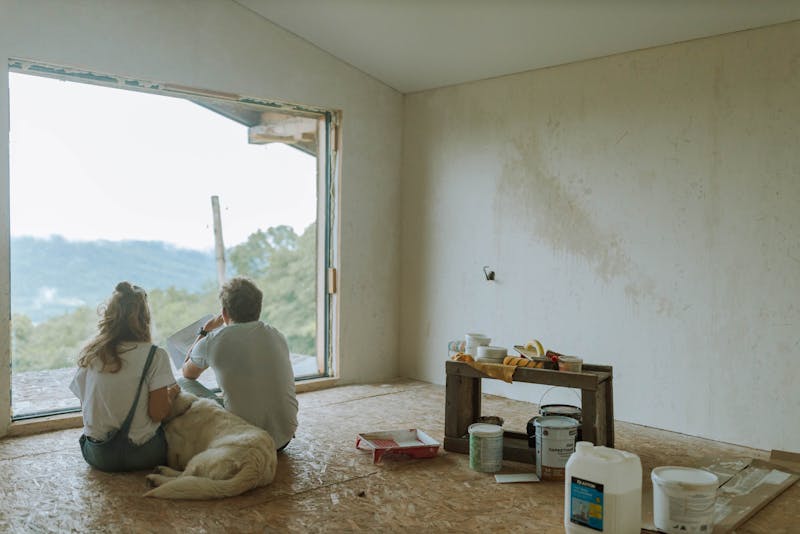
Sometimes, small projects can have a big impact on your home’s appearance and functionality. Budget-conscious homeowners can prioritize minor upgrades that deliver noticeable results. Examples include repainting walls, replacing cabinet handles, updating lighting fixtures, or refinishing floors.
Focusing on high-visibility areas creates a fresh, updated look without major expenses. For exterior walls, following exterior painting tips can transform your home’s look dramatically. Small changes also allow you to experiment with new styles and trends without committing to large-scale projects. By strategically selecting small renovations, you can continuously improve your home while staying within budget.
The Role of Energy Efficiency in Budget Renovations
Investing in energy-efficient upgrades can save money in the long run. While some energy-saving measures may have higher upfront costs, they often reduce utility bills and increase your home’s value. Examples include LED lighting, energy-efficient appliances, and better insulation.
These upgrades also align with sustainable renovation practices, reducing your home’s carbon footprint. Additionally, some governments and local authorities offer rebates or incentives for energy-efficient improvements, providing further savings. Considering energy efficiency during your renovation ensures both immediate and long-term benefits for your wallet and the environment.
Financing Options for Budget Renovations
Even with careful planning, some renovations may exceed your available funds. Exploring financing options can help you complete your project without financial strain. Home equity loans, personal loans, or low-interest credit cards are common methods used to fund renovations.
Before committing, carefully compare interest rates, repayment terms, and fees. It’s also essential to borrow only what you need and maintain a realistic repayment plan. Properly managed financing can allow homeowners to undertake projects that improve comfort, functionality, and resale value without jeopardizing financial stability.
Avoiding Common Renovation Mistakes
Mistakes can turn a budget-friendly renovation into an expensive ordeal. Common pitfalls include underestimating costs, neglecting permits, and rushing decisions. Always research local building regulations and obtain necessary permits to avoid fines or legal issues.
Another common error is prioritizing aesthetics over function, which can result in costly adjustments later. Take time to plan layouts, consider future needs, and consult professionals when unsure. Staying organized and disciplined during the renovation process ensures your budget is respected and your goals are met.
How to Plan a Home Renovation on a Budget: Cost-Saving Strategies in Action
Putting strategies into practice is key to a successful, budget-friendly renovation. Begin by clearly defining your goals, setting priorities, and creating a realistic budget. Research materials and suppliers, consider a mix of DIY and professional work, and schedule your project carefully to minimize downtime and additional costs.
Track expenses regularly and adjust plans as needed. Look for opportunities to reuse materials, repurpose furniture, or take advantage of sales and discounts. Remember, every cost-saving decision should align with your overall renovation vision. By combining thoughtful planning, smart spending, and creativity, you can achieve a stunning home transformation without overspending.
Final Thoughts: Transforming Your Home Without Overspending
Home renovation on a budget requires foresight, discipline, and creativity. By carefully planning your project, prioritizing high-impact areas, and using cost-saving strategies, you can transform your home without financial strain. From smart material choices to strategic scheduling and energy-efficient upgrades, every decision contributes to a successful renovation outcome.
Ultimately, a budget-conscious renovation is not just about cutting costs—it’s about making thoughtful choices that maximize value and enhance your living space. With the right approach, you can achieve the home of your dreams without compromising your finances.


